Thursday, April 12, 2018

Holocaust impact on medicine

How The memory of the Holocaust Influences My Practice of Medicine

My parents were survivors of the Holocaust.  That has had a profound influence on whom  I am.  And who I am is a significant part of how I practice medicine

Both of my parents were in Poland when the greatest tragedy of their lives, the greatest tragedy that has ever befallen the Jewish people, occurred. The statistics of that event include a net 10% survival rate for Jews in Poland.  Both of my parents were  the sole survivors of  very large families. When I am told that the probability of survival for some cancer is low, I think about these statistics.  I know that it is possible, even if it is unlikely to survive.  I also know that it is important to survive.  Survival has huge  consequences.

It is hard to know whether the actions that my parents took during this extremely dangerous time contributed to their success.  I cannot know how much is the result of chance, how much came from their effort. Most of the others who took similar actions died. 

 But I do know that their effort was enormous.  They were willing to live buried alive, outdoors, in  the frigid Polish winter.  They were willing to beg , steal food from animals; they were willing to endure every indignity, compromise most of their beliefs,  in order to survive.

 I also remember the pain, shame, and regret - the ambivalence- that came with remembering these events. These memories color how I feel about putting people through toxic treatments, helping them survive while suffering.  From my parents I see that it is possible.  From my parents I see that it is costly - it is a choice.  It is my duty to present the information honestly, make the choice clear, and helps the patient's decide without imposing any dogma.


I remember a cousin from my boyfriend, Chana.  She came to America before the war.  She would say." You will find everything in the struggle."  Standing ,as a child, next to my parents, I understood this comment to  be both true and cruel.


There are  also an important lessons from the tormentors.  It is important to recognize that many of the senior officer is in charge of concentration and death camps were physicians.  It is important to recognize how the organized death of all Jews, Romani, homosexual, etc. evolved from the euthanasia program.  The death camps evolved from the idea that death was better than a life of disability.  In the eyes of the tormentor, death was better than life as a Jew.  The physician, the person with power and authority, cannot decide how low a quality of life is unacceptable. 

The NAZI crime of  experimentation on the victims  has become part of the medical ethics curriculum; it is the paradigm of unethical behavior.  It is a moral crime guide a person into an experimental therapy when a less risky treatment, of at least equal efficacy, is available.  Unfortunately, I see this transgression frequently done in a name of Science.  The NAZI's also did it  in the name of Science.  I will not do it.

I am privileged to try to help victims.  I must give this my best efforts.

I am privileged to meet people who come  from very different places and backgrounds.  My background in the holocaust tells me I must give them full respect.

One can fight the odds, and some people will win.  Honesty and respect for others is the only acceptable position

By  conveying these values, the souls of my ancestors remain involved in the concerns of the living

Tuesday, January 30, 2018

Responsibility

20160621_153142


 Two weeks ago, I went to Warsaw, Poland to participate in an award ceremony.  The State of Israel presents an award to people who bravely helped Jews, like my parents, who were hunted by the Nazi regime and their local sympathizers.  My wife, in the course of writing a book and blog  about my parents' experiences in the holocaust, identified the descendants of  the people who help my parents hide.  This led to their certification, by the Israeli holocaust center, Yad V'shem, as "Righteous among the Nations."  The honor was bestowed in the Royal Palace in Warsaw.  I spoke at the ceremony about the extraordinary bravery of these people and how they permitted my birth.  


I recognize that I exist because of the courage of these people.  I feel that I owe the world a measure of courage, as a partial payment for this benevolence.  

I am a physician, a hematologist and oncologist.  I try to help people with very serious, often life threatening, diseases.  I am in a field that has made remarkable  progress since I  entered it, more than 30 years ago.  I try to channel that progress into better outcomes for my patients.

I perceive  several forces in this field.  There is a strong force for progress, bringing new medicines to improve outcomes.  There are economic forces, resulting in exorbitant price tags for  many of these new medicines.  Typically, these new medicines are priced at $300 per pill, $100,000. per year.  Some are even more costly. There are forces to test and validate  the efficacy  of these new approaches through "well designed clinical trials" Below the surface, there are considerations for payers (insurance companies and governments), stockholders in drug companies, researchers and their careers. 

I am obligated, by virtue of the rescues that brought me life, to focus on the benefit of the patient.  I must rescue the patient from all the considerations that ignore or impede her benefit.  That means practicing beyond medicine, practicing honesty. 

I have patients who have been encouraged to enter clinical trials, when information is emerging that an approved therapy (for a different disease) has demonstrated efficacy for their problem.  There is often an issue of the adequacy of evidence, in the absence of a "well designed clinical trial." One does not have the right to claim efficacy prematurely.  But sometimes, it is clear that the probability of a good outcome is far better with the treatment that is "rumored" to be effective.  I have used the "rumored" medicines ( imatinib, venetoclax, Pembrolizumab) as an early adopter and seen them become standard months or years later.  This is a kind of rescue that I can be proud of.

There is certainly a place for clinical trials.  There are situations where a clinical trial is the best alternative for the patient, as well as for the scientific community and the drug company.  But the risk/benefit needs to be assessed in perfect honesty, free from the pressures of economics and institutional politics.  This kind of patient protection can  call for courage.  I want to have that courage.  I want to encourage that bravery in my colleagues . 


Monday, January 1, 2018

Evidence Based ⓡ

Evidence Based ⓡ


When I was a boy, many products advertised that they had The Good Housekeeping Seal.  Despite the battle between the Federal Trade Commission and the Hearst backed publication (1939) that implied that the seal was primarily an advertising gimmick, the Good Housekeeping Seal remained something that could be touted as a sign of  quality. 

In medicine, the seal of quality is called Evidence Based. The Evidence Based  label has come to  mean something close to "correct", something better- and at the same time,  not  as good as - true  Evidence is better than truth because it is a body of information that is  ( or should be) available for all to examine.  An evidence based conclusion is one that follows logically from the data, any rational, knowledgeable person would come to a similar, if not identical, conclusion.  But it is only as good as the data... and the interpretation. 

Evidence Based is  usually associated with  an  expert consensus opinion.  Very few practicing physicians have ever examined the evidence upon which the conclusion is based.  The evidence itself is rarely available.  Articles  that represent the conclusions of the authors, the people who oversaw the gathering of the evidence,  are the only readily available material that is derived from the evidence. The actual evidence is  in a silo, a private storehouse. 

Fifty years ago, handling numbers was out of the reach of most people.  Only engineers had calculators and  computers were rare.   At that time,  it made no  sense to supply raw, undigested  data to a broad audience.  Nothing could be done with it.  Who was going to copy long columns of numbers and do long divisions by hand?  But now, we all have powerful computers in our pockets and downloading vast amounts of data requires only a click.  But, the actual  data remains hidden.   And we call quoting the conclusions of the authors "evidence."  This is applying a veneer of science to an edifice of opinion. This is scientism.

It is clear that were such raw data available, few would have the time or the skills to independently analyze the data.  Opening the data to public examination could lead to misleading, incorrect analyses. The information could be politicized and reinterpreted for profit or the benefit of a particular cause.  Presumably the data had been open to the scrutiny of reviewers who share expertise in the field.

There are dangers in democratization of data.  I think they are worth the risk. Monolithic science is not the optimal solution.

Most importantly, when a conclusion is called Evidence Based or Data Driven, we should identify who analyzed the data...and who confirmed the conclusion. 


Creativity inLeukemia

I think that there is value in bringing the maximum information to bear in every case. One  must be careful in the application of the ideas that emerge

I recently saw  a 50 year old woman. She was very Northwest.  Atheletic, her profession was environmental preservation.  I could feel that she had a life that was filled with love , the outdoors, living an ethical and healthy life.  She had an annual blood test, a Complete Blood Count (CBC).   In modern machines, the concentration of various white blood cells  is reported.  This patient had an excess of lymphocytes.

Lymphocytes make me wince.  The word denotes a cell, present in the blood, with a single,nonsegmented, mature appearing nucleus.  T-cells, B cells, natural killer cells, are all classes of cells with this appearance.  In addition T cells and B cells come in at least 300,000 varieties, defined by DNA rearrangements that determine their targets.  This array of distinct cells and classes of cells is lumped together and called lymphocytes.

The most common disease caused by a abnormal proliferation of "lymphocytes" is B cell CLL.  B cells, under the appropriate conditions, become factories for the production of antibodies. Leukemic cells do not progress, they are abnormal. CLL  B cells have T cell markers  that identify them as abnormal. 

In my patient, the typical abnormal pattern for chronic lymphocytic leukemia was  identified. An  elevation of CD38 was also identified. Increased CD38  is associated with a poorer prognosis in CLL.  It predicts for more extensive nodal disease and earlier progression from the time of diagnosis.

But sometimes negative prognostic factors are targets for new  therapies; and the new therapies  turn the negative into a positive. A drug  called  Daratumumab was  recently  approved by the FDA for  multiple myeloma ,a disease that is distantly related to CLL,  It is directed against CD 38. Multiple myeloma is a malignancy of plasma cells.  Plasma cells are the antibody producing cells that the B  lymphocytes mature into, after they are stimulated. Plasma cells have CD38. Daratumumab has not been approved for chronic lymphocytic leukemia.  Research into the use of this drug  is just beginning for chronic lymphocytic leukemia. 

In order to characterize the patient's disease further,  we had sent an analysis of the Chromosomal changes that are often seen in chronic lymphocytic leukemia. This test brought another result that needed  explanation. Her CLL was missing one copy of the ATM gene.  This is another negative prognostic marker.  But a closer look might turn the situation.

ATM is one of several genes that are involved in DNA repair.  A class of drugs, including some that are FDA approved, makes the mutation  in ATM  into an Achilles heel.  The drug turns this defect in DNA repair ( which probably contributed to the malignant process by increasing mutations) into a lethal problem for the cells that carry it.  Drugs that target DNA repair defects are approved for breast and ovarian cancer, not for  CLL or other cancers .  However, a clinical trial in prostate cancer  showed that a  drug in this class prolonged survival along a spectrum of DNA repair defects, including ATM.  Studies have begun to investigate  the utility of this approach in CLL and related diseases.

The relevance of all this biology is not clear because the  treatment of CLL, regardless of negative prognostic factors, has improved so much... and it continues to improve.  In  the past year , the FDA has approved ibrutinib  (response rate 85%), venetoclax ( response rate 84%, complete response rate 50%)  and idelalisib (resposne rate 50 % CR 15%) .  These drugs target  enzymes that are common to (almost) all CLL cells.  They are  approved because they are known to be tolerable and effective

On the horizon, CART cells are now being tested for refractory cases.  These are genetically modified immune cells directed at a chemical that is on the surface of the malignant ( and some normal) cells.  This technique, newly approved for acute leukemia, has had dramatic success.

There is value in bringing our expanded understanding of disease and the wider range of treatment options to bear on every case. The  safest and best  outcome for the patient must always be the top priority. It is important to avoid seduction by your own thoughts. "Don't let the sound of your own wheels drive you crazy" ( The Eagles)


The diagnosis cloud

Data Clouds

I've looked at clouds from both sides now
From up and down and still somehow
It's cloud's illusions I recall
I really don't know clouds at all
Judy Collins


All real world, "scientific" information comes as a cloud.There is a penumbra of uncertainty that surrounds every "fact"  Even physical constants, like the  universal gravitational constant, G,  are never quite exact because of measurement issues.  Data in medicine is usually very inexact.  Accumulation of large samples is the standard method for improving the resolutions; but more data always leads to more cloud.  The kernel of truth is always shrouded, the veils  are too thick.  The truth is imagined be a point of light, encased in translucent noise,  A more sophisticated ( but, perhaps no more correct) view is that the truth, itself is a cloud.  Perhaps the Heisenberg Uncertainty Principle  ( there is an absolute limit to the accuracy of a measurement) also applies to  medicine


 Treatment depends upon definition.  The definition of  diseases has a significant  traditional component.  The diseases of the Bible, Hippocrates and Galen are now understood  to be mixtures of entities.  The signs and symptoms that these extraordinary ancient observers  could identify come from a variety of very different processes.   To them, jaundice was a disease entity.  We understand that jaundice, yellow discoloration of the skin and eyes, can be the result of liver disease, diseases of the red blood cells, gallstones, etc.  We can identify these differences using biochemical  blood tests, the microscope and CT scans.

 As I say this, I am reminded of a Saturday Night Live skit from the 1970's,  Theodoric of York, Medieval Barber. In that clip, the medieval medical practitioner reassures the patient's mother by talking about how medical science had progressed from ideas of demonic possession to understanding that disease is caused by imbalance of humors.brought on by toads  How ridiculous will our models look in 50 years? 


The models of disease  that emerged in the nineteenth century, with  the application of the microscope  and the use of dissection emphasized a cellular basis of disease.  The discovery of pathogenic bacteria led to a simple model of infection that continues to be the basis of the greatest of medical interventions.  In the current era, most diseases  are still viewed  through the lens of the light microscope.  The incorporation of molecular and interactive (immune)  information has lagged.
It is hard to improve upon success. But we, who care for the sick, understand the challenge; we see how limited is this success. 

Current imaging, blood tests, and microscopic techniques give us a working understanding of the varieties of disease processes.  It has led to real advances. The main block to further success has been the  limited treatment options.  The improved vision afforded by molecular and immune systems techniques will give us a better understanding  of the disease process and  lead to improved outcomes.  These are radar that will penetrate some of the clouds. 

Sunday, August 13, 2017

Too many drugs? Too few patients?


The article by Gina Kolata in the New York Times ( August 13, 2017) is written from  a perspective that favors drug companies over the patients.    

The current system of clinical trials  started when the average American lifespan was less than 70 years for men, before we knew anything about the molecular basis of cancer, and the slide rule was the most sophisticated, widely available, computational tool. It has always been clear that this system slowed drug availability and, consequently, led to deaths.  

From the patient's (and the caring provider's) perspective anything that improves the chance of more effective therapy is welcome. "Too many drugs" is when there are adequate treatments for all diseases.  "Too few patients " is universal wellness...at reasonable cost. 

The article quotes two Genetech executives (see same day NYT page 7 for the ad for an unrelated Genentech product)  questioning how many immunotherapeutic  agents can be tested.  Genentech's entry in this field,  TECENTRIQ®,,is having trouble proving its worth .  The company  may want to beat its competitors.  The irony of a Merck vice president saying: "How many  PD-1 antibodies does Planet earth need? " is not lost on me.  He might well think that the Merck product, Keytruda, is enough. We do not know that .

The idea of "outstrip[ping] our progress in understanding the basic underlying science"  is incredibly arrogant.  Most of our currently effective  cancer treatments  were developed in the context of models that have been long abandoned.   Our current understanding of immunology and  gene interactions remains primitive and will almost certainly be changed in the future.   Part of refining the model  will depend on the results of treatment with these medicines.  That is the history of medicine. 

In the article the "cost" of genetic testing is quoted at $5000. I find that interesting .  The cost depends on who is paying.  Currently, the materials cost is less than $100.  The amount billed to the insurance company is often about $8500.  If the patient pays directly, it is no more than $3500.

From the  cancer  victim's perspective, the problem is not too many drugs.  The  problem is  the cancer.  The drug companies, the  FDA  and insurance companies are standing between patients and their treatment.  The system needs to change.   

Friday, June 16, 2017

An  applications for computers in medicine

I think about what I do as a physician and a specialist in hematology and oncology,  and how it could be made automatic. If it we're automatic, it would be done more uniformly and rigorously and the calculations would be more reliable.

I believe that machines can do many  things better than I can. Their memories are  perfect,.  Their calculations are exact.

I also believe that, at least at this point, I can add something to the machine. I can be more skeptical. I can understand the motivations of the people who create the input. I can understand the implications of suffering, the feelings of relief and loss.

I look forward to a collaboration with the machine. I do my best to foster it. I have brought the internet to clinical conferences for the last 30 years. Do not forget the sounds of the telephone modem connection in the 1980's.

I would like to see an expanded role for computers in medical decisions. .The  Electronic Medical Record was supposed to help with this integration. It has done a very poor and limited job. Sometimes, it has stood in the way of using the capabilities of computers to help analyze and solve problems. It is very difficult to export  data to a spreadsheet for analysis. This will undoubtedly get better. But the structure of incompatibility among electronic medical records is a violation of one of the main motives of the government that encouraged,  with sizable economic incentives,  their adoption.

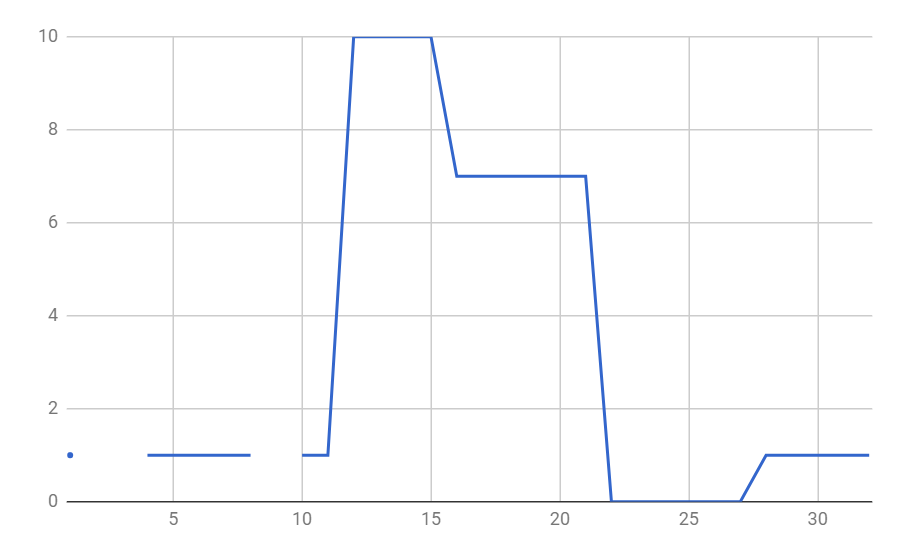
In my hematology practice, I am often confronted with the question of the cause and treatment of low blood counts. I have found an analysis of the time course of the fall of such blood counts is useful. Often, a point in time can be identified when the fall began. A pattern can be seen suggesting either a slow, gradual fall or a rapid fall or both phenomena superimposed upon one another. Although these consultations are a welcome source of income for me, I recognize that the algorithm that I use could be made  automatic.  Such an automatic algorithm would help me do this work. Currently, an automatic solution would need to be checked by a human health care provider. Over time, the level of training of that provider might not require subspecialty certification. The primary care provider could do an adequate job of spotting unusual circumstances

I would like to see the machine identify the time course of variations in laboratory tests and then, automatically, correlate these with variations in treatment. This is not a hard algorithm. Thinking about it was somewhat entertaining. I would do it by going back to the definition of the derivative. One would then look at the slopes of the segments that make up the overall change and identify the more dramatic slopes as times of dramatic change to be correlated with alterations that might be identified in the history, especially medication changes. ( After doing the calculations, I realized that this was probably  the beginning of Newton’s method of difference,  the origin of calculus that I had recently read about in James Gleick’s biography of Isaac Newton.)  

This approach could also be used to monitor whether interventions are effective. Improvements could be correlated with interventions directed at those parameters.

Such an algorithm does not replace the human It simply helps her. I think we need it.

Model curve

"derivative" curve identifying days of greater and lesser change

Sunday, January 29, 2017

Understanding and Practice:

Understanding and Practice:

How deeply do I understand the bases for my medical decisions? What constitutes practical understanding?

I practice a high stakes type of medicine: hematology and oncology.  My patients have life threatening diseases.   Patients expect a highly educated, highly informed opinion about how to proceed.  They believe  that I understand the medical research  that forms the basis of the treatment plans.  What does it mean: "to understand"?

Understand is a word that consists of two components:  under and stand, both easily  comprehended English words. I can imagine this combination  of words to mean having a relationship with the subject that  does  not crush me, I can stand under the image and look at it objectively and agree.  I can bring supporting ideas to bear on the issue, see the basis of the conclusion. 

To understand disease and treatment  has a variety of its own  meanings.  There is a  quantitative aspect to understanding, it can be broad or narrow, superficial or deep. Using these terms to describe understanding reflects its architectural nature.  Understanding is a structure.  If it claims to be  tall its foundation must be very deep, it can easily topple,  a  poorly supported claim of understanding is a very insecure structure.

Within medicine, within oncology, understanding means different things. Evaluating microscopic images requires a set of cognitive skills that is quite different from evaluating the statistics of clinical trials outcome data.  The  interpretation of large data sets that describe  outcomes is  very separate from that molecular biology that describes the mechanisms of disease and recovery. Once  a particular type of interpretation is relegated to an expert, without review by the deciding physician, it become religious scientism, faith in a vaguely understood process, believed on the basis of a report there is an unrecognized underpinning of pure faith.   It is the intelligent  integration of the various facets of information that constitutes understanding.  Understanding requires skepticism and self criticism.

The practice of medicine requires sufficient understanding to know when to use a given therapy and when  not to.  It implies a knowledge of how to administer the treatment and how to deal with its consequences.  Unfortunately, in our rapidly changing world, depth has become optional.

Often, the understanding is quite superficial.  It consists of  recognizing a  pattern that identifies a disease, reviewing sets of  guidelines or  published recommendations;  deciding  among the various alternatives; beginning   treatment; and dealing with consequences.  This pattern of behavior  is not simple and requires a high degree of education and intelligence.  But it  is not what I call understanding. 

In our era,we have come to question the  value of deeper understanding . The big data approach suggest that the  analysis of a large enough data set  will yield a better set of predictions  than a model  of disease and treatment based,  theoretical "understanding" of (an imagined)  underlying mechanism. There is undoubtedly a role for this kind of agnostic knowledge.  But, an approach that denies any level of mechanistic  understanding may fail to   identify  the heterogeneity of the data set and  obscure important information. In the large dataset we are often naming a number of diverse  entities the same diagnosis.  We now recognize some of these differences and separate the abnormalities that will reliably respond to  their special treatments, but this process of differentiating molecular diagnoses is in its infancy.  It is only begining to penetrate clinical trials.

 What we currently call a diagnosis usually does not correspond to a single molecular entity.  A  diagnosis  today is  a combination of a clinical history, physical and radilogic findings, a particular microscopic appearance with certain stains,  an aberrant  collection of  surface molecules, and/or a  set of mutations  in critical genes. Whe the diagnostic lable is attached , there is often no recognition of the methods used to arrive at the diagnosis. Sometimes one set of methods is applied, sometimes another

The important,  practical goal  is the  identification of a  distinguishing mark that directs therapy, the piece of information that will lead to cure.   Finding that is something I can support.  When I have that piece of information, in a practical sense,  I understand.

Sunday, December 11, 2016


Computer Aided Oncology Conference


Every week I go to a few conferences in which cancer cases are discussed.  Oncology, the branch of medicine that treats cancer, is a very active area.  Developments are reported daily.  The rate of clinically important discovery is accelerating.  

I have a good memory, evidenced by my performance in medical school  and  National Boards exams.   But my computer remembers much better than I can.  It never forgets anything. My computer can access the world's medical literature in seconds.  It can translate papers from Chinese.  It can give me the most recently updated recommendations from the NCCN, or the BC Cancer Agency, or the UpToDate  online textbook instantly.  That is why I come to conference armed with my computer linked into the internet.   

 The continuous improvement in computer intellectual power is demonstrated by their relentless ascendancy in high level games.  Chess, Jeopardy and Go are contests in which  complex decision processes are tested and demonstrated.   In 1997, Garry Kasparov lost the world chess champion to a computer,  IBM’s Deep Blue.   It was predictable that the machine would, eventually, win.  IBM's Watson became the greatest of Jeopardy champions. Google’s AlphaGo  is sweeping the Go world.  All of these games, whose masters have extraordinary talents and abilities, are yielding to the machine.  The machine has qualities that no human will ever be able to match... unassisted. 

The machine never forgets. The machine can search its memory, most of the world's knowledge, with lightning rapidity.  It can carry out algorithms at near light speed. The puny, slow moving human memory is no match. 

But humans have qualities that the machine cannot (yet) replicate.  The human has sensitivities, shared in a multifaceted and spectral way, with other humans.  There are ways in which we understand each other that a silicon processor cannot.  It could, possibly, be programmed to mimic the human responses to emotion, but it cannot feel empathy. 
When I bring my computer to conference, I add to the machine.  I tell it what to look up.  I define the search parameters.  Having done this for more than 25 years, I can do it rapidly and well.  It is an art that incorporates a level of speculation about how biological processes might be related.  It also involves a (reasonable) expectation that someone else has had the same question and it has been written about.  
I then decide which articles are truly relevant and estimate the validity of the information.  Even a human brain can do all this in less than two minutes.  I think it works out well.  That is why I continue to do it and encourage others to try it, and improve upon it. 
 The machine is spectacular in the things it can do.  The doctor adds human qualities and direction to that instantly accessible, vast, and reliable knowledge base.  No person can beat the machine in its tasks, but the combination of the human and the machine remains (for the foreseeable future) the best solution, better than the machine alone. 
The presentation of the patient's case at conference and sharing of experiences and opinion  is critically important.  It forces an organized and clear presentation. All the data (pathology, imaging, etc.) is open for inspection and scrutiny. Sometimes, carefully considered human analysis  prevails over all the data.  
  Better data can help create better opinions.
  Let’s improve. 


Sunday, March 27, 2016

Tortoise and Hare

Tortoise and Hare

The profound truth of Aesop’s favorable can be seen in oncology.

We all remember the story:  the tortoise and the hare agreed to a  race.  There is no doubt about who is the faster.  But as a consequence of his early lead, the hare falls asleep and loses the race.

The same phenomenon happens in the treatment of cancer.  There are often breakthroughs, instances of rapid progress in the understanding and treatment of various malignancies.  Industries develop around these advances.  The advances become standard practice.  But the adoption of these new treatments can stand in the way of developing even better treatments.

Checkpoint inhibitor therapy, medicines that block the immune system turn off valve, allowing a more effective immune-driven attack on the cancer, was first developed and approved in melanoma.  There was really no effective treatment for advanced melanoma 10 years ago.  It was an l oncologic tortoise.  Checkpoint inhibitor therapy is not specific to any particular cancer.  There is no clear relationship to melanoma.  But there was so little to offer melanoma that trials could quickly proceed followed by prompt approval of these medicines.

Now checkpoint inhibitors are being studied in a variety of cancers.  They are already approved for squamous cell lung cancer and commonly used for metastatic renal cancer.  These are two other cancers  for which therapeutic options are limited.  But this type of treatment has no clear relationship to the cancer histology.

In cancers that have an array of somewhat more effective treatments, the introduction of checkpoint inhibitor therapy has been much slower.  The tortoise that has become the hare,  cannot enter the race  because of previous rapid advances.

The use of next generation sequencing for the classification of hematologic malignancies is also a case of limited advances blocking the introduction of deeper techniques.  Prior to the introduction of relatively rapid DNA sequencing techniques, hematologic malignancies ( leukemias and lymphomas) were the most extensively molecularly  characterized malignancies, Chromosomal rearrangements defined diseases and directed therapy.  Clonality, a fundamental property of malignancy,  was easily and standardly determined.  Disease could be followed on a molecular level.

However, heterogeneity remained.  Rarely, patients who had a very high probability of excellent response could be identified on the basis of these chromosomal, FISH and limited PCR tests.  But the details remained mysterious and thus the response to treatment remained unpredictable

The introduction of next generation sequencing for the characterization of hematologic malignancies has been slower than from many solid tumors.  The advances made with older molecular techniques have blocked the introduction of the more detailed and extensive analysis now available.  On a molecular level, hematologic malignancies have been asleep

I think there is value in this awareness.  The extreme sub-specialization In oncology has limited the diffusion of advances from one field to another.  The economic arrangement of the healthcare system favors maintaining diagnosis and treatment on a plateau of adequacy It should be helping advanced medicine to increasing excellence.

Sunday, February 28, 2016

The Box

Lymphoma Rounds: In the box

Should doctors think in  the box?  Sure, if the box works, If the therapy is effective, if the criteria for diagnosis define an entity for which the treatment is successful, barring a complicating factor, then one should follow the guidelines, the textbook.  .  One should be sure about identifying the problem and choose the best solution and do it.There are situations in which  this scenario applies: many infections, most Hodgkin's Lymphomas, many testicular cancers. Once the diagnosis is secured, the exceptions ruled out, and the patient tolerance assured, following the formula will yield the desired outcome.

I went to lymphoma rounds.  The first case was a case of lymphomatoid granulomatosis. This is an unusual diagnosis.  The case was more unusual because of CNS signs and symptoms.  The case was presented by a fellow and discussed by a neuro-oncologist. That meant that the neurological aspects o the case were made  primary. 

The relationship to Epstein-Barr virus in this lymphoma was clearly stated and recognized. We had all learned the pathophysiology of EBV disease: cells are transformed, changed by EBV into cells that share many qualities with malignant cancer cells.  They are immortal, The program for cell death is turned off..They reproduce out of control.

The acute disease, mononucleosis, usually comes to a good conclusion withe the patient's T cell based immunity victorious.  But there are EBV driven lymphomas that are not self limited, lymphomas that  do not improve without strong, chemotherapeutic intervention.  These include various lymphomas in the immunocomprimised. Patients with  (uncontrolled) HIV disease can get  aggressive lymphomas, including CNS lymphomas,  from EBV.  One of the most aggressive of all lymphomas, Burkitts lymphoma, in its classical form, is an EBV driven disease.  Patients who have had organ transplants and take immunosuppression  can get less aggressive  lymphomas like PTLD, a lymphoma that often responds to changes in immunosuppresion.  EBV disease often has an immunological basis

The case was discussed in terms of published treatment outcomes, the standard therapy was CHOP, all purpose lymphoma therapy.  Some mention was made of interferon, which seemed to succeed in some cases, but was not used in this case. 

I asked if the this entity could be divided into different groups based upon the immunologic status of the patient,  and the nature of the cells identified in the biopsies.  After a long silence, I said that I did not expect and answer to the question.  (This patient's immunologic status had not been investigated.) 

The true meaning of the question involved the approach to such diseases.    We live in an era of instant access to millions of research findings.  Almost anything you can think of has been written about,  What is written is not necessarily good, and may even be misleading, but should not be ignored. 

When a disease is outside the of the set of the clearly curable with standard approaches, the consideration should include an approach that incorporates our beliefs about pathophysiology.  Such an approach can lead to other pathways for diagnosis, treatment and prognosis. 

I think that there is always an immunological aspect to EBV disease. The immunologic aspect has implications for HIV related lymphoma, encouraging anti retrovirals and the reconstitution of CD4 mediated immunity.  We exploit it in PTLD by adjusting immunosuppression ( sometimes  along with Rituxan)  Even when there is central nervous system involvement, simply reducing immunosuppression can be sufficient for remission in PTLD.

I do not completely trust our (current) understanding of pathophysiology.  It will probably change with the acquisition of further knowledge, but I am not prepared to take it out of the picture, 

Hypotheses about the nature of the patient's disease can be lifesaving.  They can also be terribly misleading.  Interpretation requires great care and open discussion 


Friday, November 27, 2015

The Martian: How much is a person worth?

The Martian: How much is a person worth?

Recently,  I saw The Martian, a movie about a man accidentally abandoned on Mars.  The movie is about the struggle for survival, the marshaling of forces to allow the survival of that one man,  the sacrifice of  compatriots and the politics of rescue .  

Cancer patients, and the people who care for them, can feel like they are abandoned on Mars. The feelings elicited by this movie are similar to those we, who care for cancer patient patients feel. When do we call the situation hopeless?  When do we give up?  How much can we put into the effort for one patient?  How much can we spend?

In the movie there is no limit. Billions of dollars are spent,  scores  of people work without rest, people give up years, in the prime of their lives, to attempt to rescue a single man.  In our real, medical world the money, the time, the energy are all limited,  The resources are shared by thousands of patients. This places every part of the medical system in the position of distributing a limited, precious resource.  The doctor must balance the chance of benefiting the patient against the cost to the system, which could mean denying another patient an equal or better chance.  Doctors differ in their approach to this problem.


How can we do any less than our best?   Our efforts are not like those in the movie.  They are not as good as they should be.. The basis for saving the Martian was adoption of a nonstandard strategy, a strategy that would work, in theory, but was not a usual approach.  A methodology that involved unanticipated expense and sacrifice.

Currently, the pressure to follow standard procedures is almost overwhelming.  Deviation from such standards  risks the label of malpractice.  Obtaining insurance coverage for a treatment that is not recommended in guidelines, or for a problem that deviates from the FDA  approval parameters is a Herculean task - and getting harder.  .


Knowledge and Resources are always limited. The Martian was rescued, he beat  the odds. It is very expensive and difficult to take on the odds... sometimes it works.

Sunday, November 1, 2015

A better way to treat cancer patients

There is a better way to treat cancer patients
I am a practitioner of oncology.  When I am confronted with a treatment decision, I attempt to bring the best data to bear on the subject. I avail myself of resources: online text books, PubMed, Web of Science, Clinicaltrials.gov, Eviti advisor. I try to gather and compare  the options  I very much want to see which option will help my patient best (longest lasting, least toxic, most likely to be effective).
But the medical literature does not allow me access to detailed information.  It tells me the outcomes of large groups of patients, diverse in the details of their disease, expressed as probabilities over the whole group and sometimes subgroups, defined by the authors ,that are usually not helpful.  I think that the details may direct the treatment; but details are not available.
Instead of selecting patients who are suitable for clinical trials, we should be constantly improving our treatment, we should be using an iterative correction model,
Patients should be encouraged to consent to have  information that could be related to their disease and its treatment, stored and available for real-time analysis. The data should include a great depth of detail,   Every time a patient comes for treatment we should check the current,  updated  outcome  for that treatment in patients that are most similar to the one we propose to treat. That information should correct our initial proposal.  Once a final decision is made, that patients course becomes part of the growing, searchable and expandable database.  That patients course becomes part of the decision for the  next patient.
There are problems: privacy, accuracy, validity. These problems are the subject of current research [1]
This is a call  for revolution in how clinical data is reported and accessed. I want a  database of raw data, available for appropriate analysis along parameters relevant to  the patient at hand.  I would like to be able to collect information on patient's who are similar to the patient under my care.   The similarities would be defined by the current and emerging understanding of the disease and its treatment. 
The technology exists to start such a program.  As more as learned, the program will improve  Internet service providers already follow this model and the effectiveness of that effort is reflected in the fact that people pay for it and profit from it.  That same process should be used to help save lives.

Tuesday, June 16, 2015

Paradigm Shift in Genomics

The presumption  had been that the  genomic defects in cancer, revealed by sequencing data, would identify targets for treatment.  By virtue of the specificity of these targets, treatment would be more effective and less toxic. In a few situations, this has happened. The EGFR , ALK  ROS genes of lung cancer, the B RAF of melanoma, HEr2 in breast and esophageal, abl in chronic myelogenous leukemia are examples of the success of this approach ( N.B. all antedate widespread next generation sequencing.)  The estrogen receptor of breast cancers  and the androgen receptor of prostate cancers are therapy targets that are not correlated with sequencing data.
I do not want to be overly cynical about the value of sequencing.  The the technique, as clinical art and science, has not matured.  Development often  produces surprises.  When the surprise  leads to  a broader model, the  original idea needs to be placed in the new perspective.
Recent discoveries have broadened the meaning of  NG sequenced data.  Rivzi, et al  have shown that response to immunomodulatory, PD-1, directed therapy correlates with overall mutational burden. A tumor in which a large number of mutations is identified by NG sequencing tends to respond more favorably to an agent ( monclonal antibody) that blocks an "off switch" for immune reaction ( PD-1).   It is the mutable tendency, not the actual mutation that determines responsiveness to this (class of) agent(s).  The observations of Le, et al, that mismatch repair, a phenotype that would be expected to increase the mutation rate, signals sensitivity of cancers to  PD-1 blockade seems to be a complementary  finding.
These findings imply that the mechanism underlying the cancer, tolerance of mutation, rather than the mutations themselves,  can be a target for treatment.  This particular mechanism also intimates that the immunologic treatment will eventually fail since mutations will continue to occur, and be tolerated.  in the malignant cell population.
The utility of PARP inhibitors in BRCA and PALB2 mutated tumors is a corollary to these ideas.  The PARP inhibitors target the mechanism of mutational generation in these selected cases.
Understanding optimizes hope

Monday, March 2, 2015

The practical use of clinical trials

Clinical trials are very expensive.  Current funding from the NIH for clinical trials is : $7,327,474,432 (7 billion dollars) I do not think we are getting our money's worth.
When I treat a patient, I want to know the best treatment for my patient, not the best treatment for a population of patients who have (what the trialists have called) the same disease, and who fit the criteria for the trial ( i.e. no other major problems). I need to optimize the outcome of the patient as I see her.  But the reporting of clinical trials obscures the information I need to make the best decision. The details are sacrificed to an illusion of statistical accuracy.
I have a patient who was treated for "multple myeloma."  He has the characteristic abnormal antibody product ( monoclonal spike) resulting from a cancer of plasma cells( the immune cells that produce antibodies),  Chromosome analysis   demonstrates a translocation (4;14)  This chromosomal abnormality identifies a disease that has an inferior outcome with (old) standard therapy.   There is evidence that newer treatment  ( boretzimib)  produces a better outcome.  The patient had standard therapy including a stem cell   (autologous) transplant.  What should the mainteneane therapy be?
The studes demonstrate an advatage for mainetenace therapy,  But the results are expressed without regard to the chromosomal abnormality. At best, this chromosomal abnormality is lumped with others that define "risk"  But risk is a function of treatment!.  To make maters worse, the risk classification of his chromosomal abnormality varies among authors!  Some call it high, other intermediate.
If the raw  data were available, if the clinician could aggregate and analize the raw data, and then submit the data on his patient into the pool, we would have afar more efficient and productive  process.  Instead of basing decisions upon random data, we would base decisions upon outcomes that were also based upon constant correction,  The search for optimization would be  organic, ever improving.. Conceptually this approaches grows out of Bayes ( using the pretest assumption)  and Hayek ( the wisdom of the market).   This is an optimization algorithm,  Why shouldn't each successive treatment attempt be corrected for the past treatment attempts? 

Sunday, February 22, 2015

targets and genes

 The purpose of the medical enterprise is to improve the life of the patient. The process is diagnosis and treatment.  Diagnosis should steer the case toward the most beneficial treatment.  Even when the diagnosis identifies a condition for which no effective treatment is known, an accurate diagnosis is very beneficial, allowing  the avoidance of ineffective therapy and redirecting the situation. 


The nature of diagnosis is  evolving. We have long  gone beyond the era  of the  hematoxylin - eosin stained  specimens. Almost every biopsy is now analyzed by an array of immune reagents, identifying particular antigens, which define subsets. of pathological  categories.  usually the immunologic analysis leads only to a grouping of the diagnosis, it allows a smaller biopsy to suffice for a diagnosis.  Rarely, the immunophenotype  identifies a therapeutic target: CD20, Her2, ER,  are currently  "targeted"  therapeutically.

More recently, genetic sequencing has a joined the effort to better define the nature of malignancies. This information has been accompanied by the development of targeted agents, medicines that are marketed as being specific to particular signal transduction pathways. The failure to identify actionable gene mutations has led to cynicism  concerning the value of next generation sequencing. 

The association between diagnosis, including  diagnosis guided by genomic sequencing, and therapy, remains loose. Often, the relationship between the mutation identified and the cancer phenotype is loose. It is unclear if the mutation is a driver or a passenger.  Patterns of mutations and their correlation with cell behavior  is in its infancy. NEJM. , Ortmann et al. 

http://upload.wikimedia.org/wikipedia/commons/thumb/b/b0/Signal_transduction_pathways.svg/550px-Signal_transduction_pathways.svg.png


 Scientists are trying to keep the pictures neat.  I do not believe that the pathways that are so neatly described are so well behaved.  I think that it is very likely that there is more overlap among pathways than is commonly described.The cell is not a set transistors, it is organelles swimming is a pool of chemical reactions,each organelle with its own chemical reaction pool .  Thus, interfering  with the implicated pathway,(the intervention that is often recommended by the sequencing pathologist) is not likely to be effective


If one wanted to test for the target, one should look at the pattern of protein phosphorylation and other signaling chemical  modifications.  Looking at the DNA is relatively easy. But it is not the right place to look.  The activity of the drugs involves the chemical pathways, not the genes involved in making components of the pathway. 

Ultimately, a diagnosis should identify the pathway to disrupt, and therapy should disrupt the pathway  with minimum of side sffects, 

Sunday, January 25, 2015

Diagnosis and outcome


Medical knowledge, all scientific knowledge, is statistical. Even in the simplest, most straightforward experiment, there is some level of imprecision, some degree of unavoidable ambiguity ( error). All results are expressed some margin of error.

Medical data often has a very wide margin of error. Reasons for this include the heterogeneity of the population studied. Often, what we call a “diagnosis” can be resolved into more than one disease entity. Until we knew better, no distinction was made between estrogen receptor positive estrogen receptor negative breast cancer.Now, these different entities are often treated in different ways. sometimes, a new treatment defines a new subgroup. tratuzamab makes Her2 expression important in breast and stomach cancers, Rituximab makes the CD 20 a critical factor in the treatment of lymphoma.
In my opinion, the true value of a diagnosis is how it defines treatment. The diagnosis and treatment outcome are inseparable. If a diagnosis gives a 30% response rate to treatment, it is a poor diagnosis. A diagnosis of lung cancer, in the absence of molecular definition,  is hardly more than a guess, regardless of the details appended. A diagnosis of CML, with a bcr-abl translocation is a strong statement that leads to a near 100% probability of response.

Response is not the point. People living better and longer is the point. Response is a useful measure that hints that a treatment is on the right track. The documentation and publication of a response is a public service, but, aside from the psychological lift, it does not necessarily benefit the patient.

There are unfounded beliefs in the practice of ooncology Probably the most destructive of these is the idea that efficacy is a function of toxicity. The more toxic the therapy, the more powerful it is, the more cancer it kills. This is an unfounded belief, not evidence based and not scientific.
It is true that some cancers can be cured by very toxic treatment, and at this time, extremely dangerous and toxic treatment is the only known way to reliably treat many leukemias, certain lymphomas, etc. But oral, low side effective  tyrosine kinase inhibitors, like imatinib, are more effective in the treatment of chronic myelogenous leukemia than a life endangering, life altering bone marrow transplant.

A related, unfounded belief is that the microscopic appearance of a tumor, and the pathologist’s impression of its aggressiveness should determine the toxicity of the therapy; The most primitive of cancer, testicular cancer, is among the most reliably curable. And it is the most normal appearing elements of that cancer ( teratoma) that is the most difficult to eliminate. The microscopic “aggressiveness” estimate of the pathologist is an aggregate of the number of cells in mitosis ( the act of division), how bizarre the cells look, how different from normal they are, etc. These parameters do not correlate with outcome. A high mitotic rate could confer increased susceptibility to treatment ( even treatment that is not directed at mitosis). Bizarre appearing cells may be programmed for death under certain conditiona

Monday, January 19, 2015

Traditional Forces in Medical Decisions


Medicine is both the beneficiary and victim of traditions.
The benefit comes from the credibility afforded to medicine, translated into the respect afforded  doctors.  There is a tradition of professional excellence, enforced by a licensing mechanism and a legal system that monitors quality.
Traditional  forces are  conservative,  They encourage the continuation of "standard practice." Usually that is a good thing.  Standard practice is usually the best available course. But the tradition is a force that retards change, and sometimes change means improvement.
All traditions, medical or otherwise, are the products of history, and as such, preserve a wisdom and perpetuate myths.
A core tradition in medical  oncology is that more toxic treatment is more effective treatment.  This stems form the history of the field (  see: The Emperor  of all Maladies) .  The first  successes in treatment of cancer  were seen when therapy was brought to an intensity that  carried a significant chance of toxic death, death from the treatment itself     ( not the disease).  That  tradition carries through to the present.  When cancer  cases are discussed in conference,  the question of dose   is always raised.
But the notion that higher dose yields better results, has often  not  been  tested in most circumstances.  The dosage of drugs is established in  Phase I clinical trials, These trials include desperate, heavily pre-treated patients with clearly heterogeneous primary and secondary problems.  These trials usually assume the optimal dose is  at or near the maximum tolerated dose .  Once that dose is established, it becomes cowardly  to   reduce the dose, unless forced to do so by toxicity. I am not sure that the approach is globally  valid.
The classification and  treatment of cancers based upon microscpic appearance,  That  is a tradition.  The appearance of cells in the microscope and the impression of analogy to aberrant normal tissue dates from Virchow  (1821-1902). This approach organizes the treatment of cancer, but it has other consequences.
There is currently a battle between the microscope and molecular biology for the orimacy  in diagnosis. The  molecular biology sometimes identifies mutations that may be fundamental to the cancer process and these  mutated gene products can be the targets of therapy.  Frequently, neither of these  happens. The mutations are of unknown significance and the targeted agents work poorly, or not at all ( at $10,000 per month).  But even when clear targets emerge, they struggle against the tradition of the microscope  for recognition.
Sometimes, treatment does not change despite a  better understanding of the disease process.  Lymphocyte predominant Hodgkin disease is an example.  Hodgkin Diseases is a set of lymphomas that are caused by a very distinctive appearing cell: the Reed Sternberg cell.  Cells with a similar appearance are  characteristic of a disease called Lymphocyte Predominance Hodgkin Disease, but it has been known for 30 years that this is a  non-Hodgkin lymphoma.
The traditional treatment for Hodgkin  is ABVD, a mixture of toxic  medicines that can damage the heart, lungs, nerves and immune system.  This combination is not standard for Non Hodgkin lymphoma....except for lymphocyte predominant Hodgkin Disease, because that is the tradition.  ( I do not follow this tradition). Continuing to use a regimen that has worked in the past  is a very reasonable approach, but the Hodgkin Disease regimen has considerable long term toxicity.
Tradition is a reasonable fall back position, especially when it has a good  track record.   It should not stand in the way of progress. There is value in tracing  how we come to treat certain diseases in certain ways. Often, there is no basis at all.
Tradition has a role, but it must be subject to scrutiny.